
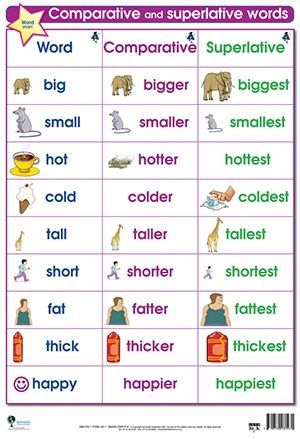
The comparative form of narrow is narrower. We use it when comparing two things to show that one has less width than the other. Learning comparative adjectives helps English learners describe places, roads, objects, and everyday situations more accurately.
In this lesson, you will learn how to use narrower in everyday English, explore practical examples, and practice making comparisons.
Table of Contents
1. What Is the Comparative of Narrow?
The adjective narrow means having a small width or not being wide.
To make its comparative form, we add -er to the adjective:
Positive: Narrow
Comparative: Narrower
Superlative: Narrowest
Example:
This road is narrow.
This road is narrower than the main street.
This is the narrowest road in the village.
We usually use the word than after a comparative adjective when comparing two people, places, or things.
2. 15 Real-Life Examples of Narrower
Here are 15 practical sentences showing how to use narrower in everyday English:
This street is narrower than the one near my house.
My new desk is narrower than my old desk.
The road becomes narrower after the bridge.
This hallway is narrower than the entrance.
Your shoes look narrower than mine.
The river is narrower in this part of the valley.
This path is narrower than the walking trail in the park.
The kitchen doorway is narrower than the living room entrance.
This table is narrower than the dining table.
The mountain road gets narrower as we climb higher.
Her new dress has a narrower waist than the previous one.
This computer screen is narrower than my old monitor.
The passage between the buildings is narrower than we expected.
This bookcase is narrower than the one in the office.
The road to the village is much narrower than the highway.
These examples show how narrower can describe roads, furniture, clothing, spaces, and many other things.
3. Narrower vs. More Narrow: Which Is Correct?
Both narrower and more narrow can be used as comparative forms of narrow. However, narrower is generally more common and natural in everyday English.
Examples:
This road is narrower than that road.
The entrance is more narrow than we expected.
For most everyday situations, choose narrower.
4. Common Mistakes When Using Narrower
English learners sometimes make mistakes when forming comparative adjectives.
Incorrect: This street is more narrower than that one.
Correct: This street is narrower than that one.
Incorrect: My desk is narrow than yours.
Correct: My desk is narrower than yours.
Remember that you should not normally use more and the -er ending together.
5. Practice: Choose the Correct Answer
Test your understanding with these short exercises.
1. This road is ______ than the highway.
A. narrow
B. narrower
C. narrowest
2. My bedroom door is ______ than the main entrance.
A. narrower
B. narrow
C. most narrow
3. The path becomes ______ near the forest.
A. narrowest
B. narrow
C. narrower
Answers: 1. B — narrower; 2. A — narrower; 3. C — narrower.
Conclusion
The comparative of narrow is narrower, and it is used to compare the width of two things. Whether you are describing roads, doors, furniture, or clothing, using narrower correctly makes your English clearer and more natural.
Keep practicing comparative adjectives and explore more English grammar lessons at MyEnglishPath.com to improve your vocabulary and communication skills.